Blog
Jet Fuel Prices in Europe Hit a 2026 High, and Smaller Airports Are Still at Risk
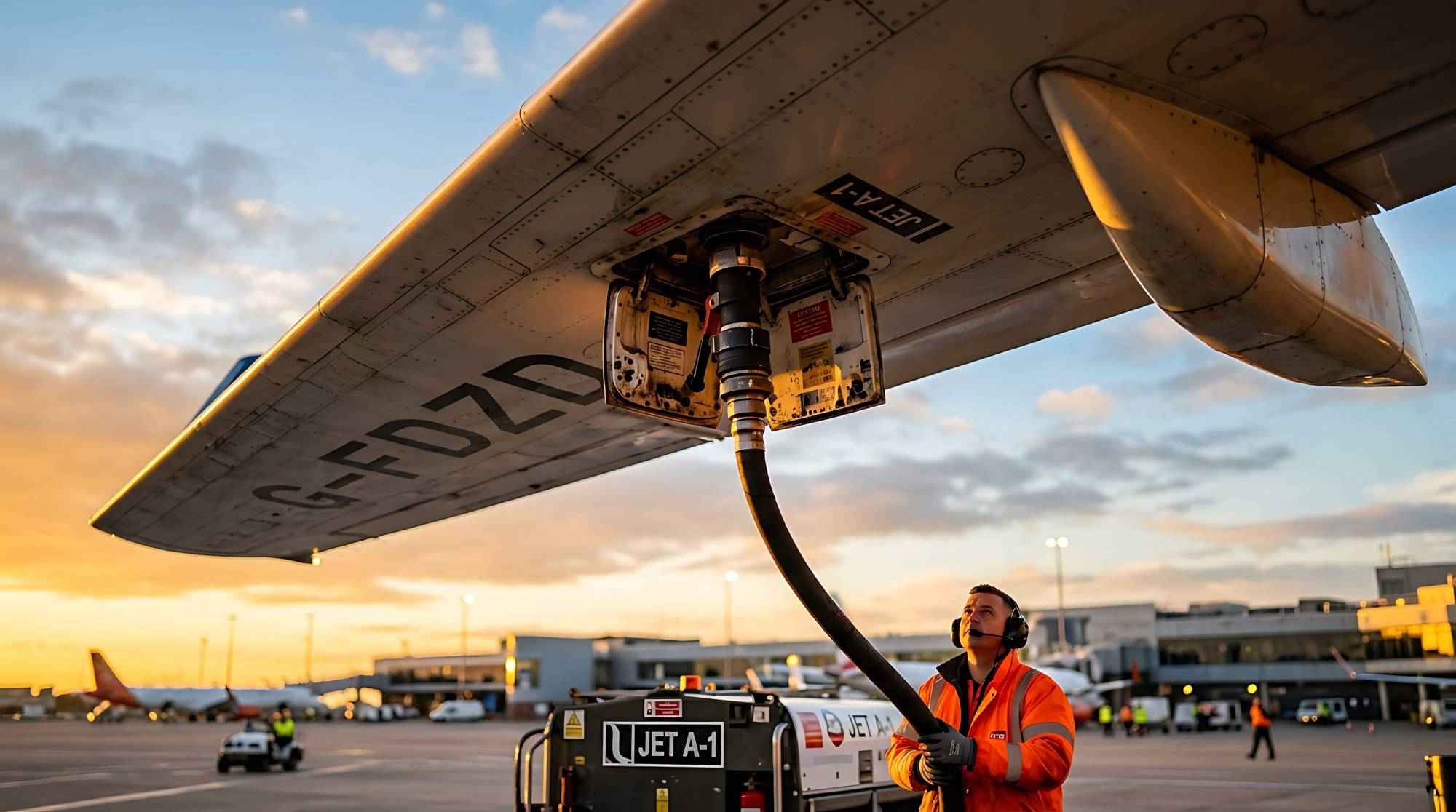
Jet fuel in Europe cost more in the week of 23 September 2026 than anywhere else in the world. Prices averaged $207.56 a barrel, about €176, up 27.8% on the previous month, according to Euronews. Large airports such as London, Geneva, Milan and Paris have kept fuel supplies stable throughout 2026. But smaller regional airports, the kind many private jets fly into, remain exposed to the fuel rationing seen in Italy in April 2026.
Why fuel is still so expensive across Europe
Europe's jet fuel troubles began in early 2026, when the war between Israel and Iran disrupted Middle East oil production and shipping routes. That cut off roughly half of the continent's usual jet fuel imports, Euronews reports. Airlines and fuel suppliers responded by importing more from Nigeria, the United States and Canada, and increasingly from South Korea.
South Korea has become one of Europe's most important new suppliers. It shipped around 1.14 million tonnes of jet fuel to Europe between July and September 2026, or 87% of all Asia-Pacific supply reaching the continent, Euronews reports.
Reuters reported on 20 September 2026 that South Korea's exports to Europe reached 129,000 barrels a day in September, the highest level since October 2022. The country's refineries ran at their highest rate in seven years to make that possible.
Despite this extra supply, analysts at Energy Aspects still expect a European fuel deficit of 510,000 barrels a day in the fourth quarter of 2026, Reuters reports. That compares with a fuel surplus expected in both the United States and the rest of Asia-Pacific. Storage at the Amsterdam-Rotterdam-Antwerp fuel hub, one of Europe's main reserves, fell to its lowest level in seven years by 10 September 2026, the Reuters report adds.
Smaller airports carry most of the risk
Nearly 900,000 tonnes of Asian jet fuel are scheduled to arrive in Europe through the fourth quarter of 2026. Euronews reports that this should be enough to prevent a repeat of the widespread, continent-wide shortage seen in spring 2026. Major hubs, which have several suppliers, large storage tanks and backup delivery routes, are expected to keep functioning normally.
Smaller regional airports do not have those safety nets. "Major hubs have avoided fuel shortages this year. Smaller airports have not," Mike Malik, chief data and analytics officer at the aviation data firm Cirium, told Euronews.
Many of the airports private jet passengers use for weekend trips, second-home visits or business meetings outside major cities fall into this smaller, more exposed category. Italy already gave a preview of what that risk looks like.
On 6 April 2026, Brindisi Airport in southern Italy ran completely out of jet fuel. Six other Italian airports had to ration supply that same week, limiting each aircraft to around 2,000 litres, Euronews reports. Malik told Euronews that Europe only closed the supply gap this year by "running refineries differently and emptying its tanks," and warned that "neither of those works a second time."
Prices are likely to stay high, and volatile
George Shaw, an analyst at the trade intelligence firm Kpler, told Euronews that jet fuel prices are likely to keep rising. He explained that jet fuel is closely tied to the diesel market, which is itself under pressure. Demand has not eased in response to higher prices either.
Consumption across the five largest European markets, the UK, Germany, France, Spain and Italy, has barely fallen, down just 0.2% compared with the same period in 2025, Euronews reports. That steady demand means there is little natural relief in sight to help bring prices back down.
The industry group Airlines for Europe declined to comment when approached by Euronews, a sign of how sensitive the topic remains for operators managing tight margins. Private jet charter already carries higher per-hour fuel costs than commercial flying. Sustained price rises of this scale are more likely to show up as fuel surcharges passed on to clients.
What does this mean for your next flight?
Nothing changes immediately if you are flying through a major European hub such as London, Geneva, Milan, Paris or Zurich. Those airports have kept fuel flowing normally throughout 2026 and are expected to continue doing so through the rest of the year. No airport-wide rationing has been announced in Europe as of 23 September 2026, so this is a risk to plan around rather than a disruption that has already happened.
If your itinerary includes a smaller regional or leisure airport, particularly in Italy, France or the UK, ask your operator to confirm fuel availability before departure. These airports carry the greatest risk of the kind of rationing seen at Brindisi in April 2026. You may also see a fuel surcharge reflected in your next charter quote, since European jet fuel prices rose 27.8% month on month in the week of 23 September 2026.
Sources
- Europe may avoid wider jet fuel shortage, but smaller airports remain at risk - Euronews
- Europe faces Q4 jet fuel supply deficit even as South Korea becomes latest big supplier - Reuters (via Investing.com)
FAQ
Frequently asked questions.
Will my private jet flight be disrupted by Europe's jet fuel situation right now?
Not automatically. As of 23 September 2026, no European airport is rationing fuel, and major hubs have kept supplies stable all year, according to Euronews. The risk is concentrated at smaller regional and leisure airports, so it is worth checking with your operator if your route includes one of these.
Why has jet fuel become so expensive in Europe specifically?
The war between Israel and Iran disrupted Middle East oil production and shipping in early 2026, cutting off around half of Europe's usual jet fuel imports, Euronews reports. Europe has replaced much of that supply with fuel from Nigeria, the United States, Canada and increasingly South Korea. Even so, Reuters reports that analysts still expect a shortfall of 510,000 barrels a day across Europe in the fourth quarter of 2026.
Which airports are most at risk of running short of jet fuel?
Smaller regional airports carry the most risk. They typically rely on a single fuel supplier, have limited storage and have no backup delivery routes, according to Cirium's Mike Malik, speaking to Euronews. Major hubs such as London, Geneva, Milan and Paris have multiple suppliers and larger reserves, and have avoided shortages throughout 2026.
Could a shortage like the one at Brindisi Airport in April 2026 happen again?
It is possible. Brindisi Airport in Italy ran out of jet fuel on 6 April 2026, and six other Italian airports rationed supply to around 2,000 litres per aircraft that week, Euronews reports. Cirium's Mike Malik told Euronews that the measures Europe used to close its fuel gap this year are unlikely to work a second time.
Should I expect a fuel surcharge on my next charter booking?
It is possible. European jet fuel prices rose 27.8% month on month to average $207.56 a barrel (about €176) in the week Euronews reported on, which ended 23 September 2026. Fuel is a significant share of charter operating costs, so sustained price rises of this size are often passed on through surcharges.