Blog
The Hidden Costs of Owning a Private Jet (Beyond the Purchase Price)
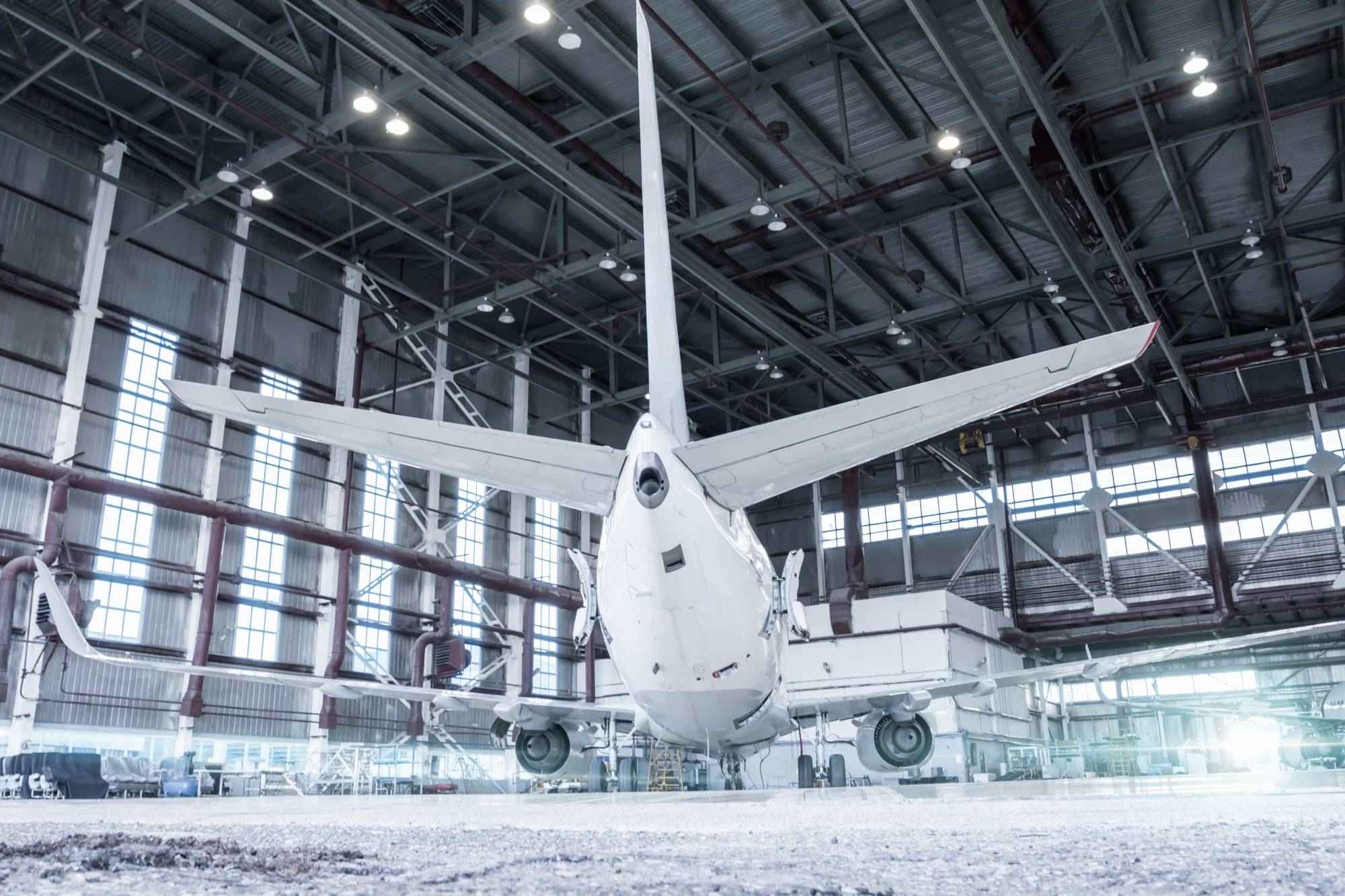
The hidden costs of owning a private jet are where most new buyers underestimate what ownership actually requires, because the purchase price is only the headline number. This guide breaks down the recurring fixed and variable costs that come after the sale, with real euro figures for each category. It ends with what those costs mean if chartering is a realistic alternative for you.
The Fixed Costs You Pay Whether You Fly or Not
Prices are indicative, converted from industry-reported figures, and vary with aircraft model, age, region, and usage. Contact Fast Private Jet for a live quote if chartering is an option you are weighing against ownership.
Fixed costs apply every year regardless of how many hours the aircraft actually flies, according to the FAA's own aircraft operating cost guidance, which separates fixed costs such as insurance, hangar, and depreciation from variable costs such as fuel, maintenance, and crew pay tied to usage. The table below uses indicative euro figures for a midsize or super midsize jet flown around 400 hours a year, converted from industry-reported figures and rounded for clarity.
These Costs Scale With Aircraft Size, Not Just Flight Hours
The figures above are for a midsize or super midsize jet. A very light jet or light jet brings most categories down substantially, often to a fraction of the crew, hangar, and insurance costs shown, since smaller aircraft typically fly with one or two pilots rather than a full crew and need less hangar space.
At the other end of the scale, an ultra long range jet pushes every category up again. AvBuyer notes that a larger cabin typically means a bigger crew, a higher insurance premium on a more valuable asset, and a hangar bill that scales with the aircraft's footprint. Aircraft category is usually a bigger driver of total cost than flight hours alone.
The Variable Costs That Scale With Flight Hours
Variable costs rise and fall with how much the aircraft actually flies. For a medium business jet, AvBuyer puts hourly variable costs at roughly €2,400, made up of around €1,150 in fuel, €600 in routine maintenance, and €650 in parts, labour, and engine reserves. At 400 flight hours a year, that alone adds up to roughly €960,000, on top of the fixed costs above.
Put together, AvBuyer's worked example for a medium jet flown 400 hours a year comes to an operating budget of roughly €1.7 million annually, excluding the purchase price, taxes, and depreciation. That figure is the clearest illustration of why the sale price is only the opening number.
A handful of smaller variable costs are easy to forget when budgeting from a manufacturer's brochure rather than an owner's bank statement. Catering, de-icing, landing and handling fees at busier airports, and ground transport for crew all add up over a full year of flying, even though none of them show up on the sale listing.
The Cost Most New Owners Don't See Coming: Engine Reserves
The single biggest surprise for first-time owners is usually the engine. Without a maintenance programme in place, AvBuyer warns that replacing an engine's Life Limited Parts at overhaul can cost up to roughly €1.4 million per engine, a bill that arrives all at once rather than spread across years of ownership.
This is why most owners enrol in an hourly cost maintenance programme, paying a set amount per flight hour into a fund that covers these events when they happen. JSSI reports that more than 80% of new business jets delivered in the last 5 years are enrolled in one, partly because aircraft with a maintenance programme in place tend to sell for more than those without. It is a cost that trades a large, unpredictable bill for a smaller, predictable one, not a cost that disappears.
Depreciation: the Cost You Only Feel When You Sell
Depreciation does not arrive as an invoice, which is exactly why it catches owners out. Resale value typically falls fastest in the first few years of ownership and levels off later, so the loss is real even though no one sends a bill for it.
This is also the cost category where ownership and charter diverge the most. A charter client never owns the asset losing value, while an owner carries that risk for as long as the aircraft is on the books, on top of every cost listed above.
Why Most Buyers Charter Instead
Add the figures above together and a privately owned midsize jet flown 400 hours a year costs in the region of €1.7 million annually before the purchase price, financing, taxes, or depreciation are even counted. For most people considering this, the honest comparison is cost per hour actually flown, not cost per aircraft owned.
At several hundred to a few thousand euros an hour depending on aircraft category, private jet charter avoids every fixed cost in the table above entirely. You pay for the hours you actually fly, with no hangar bill, no management fee, no maintenance reserve, and no depreciation risk sitting on your balance sheet. For the flight volumes most buyers are actually weighing, that is usually the stronger financial case.
For the smaller group of flyers whose hours genuinely justify ownership, Fast Private Jet's sales and acquisition team can talk through what that actually involves, including the costs in this guide, before you commit.
Sources
- Aircraft Operating Costs - Federal Aviation Administration
- How to Budget Your Operating Costs - AvBuyer
- What Does It Cost to Operate a Medium Jet? - AvBuyer
- Hourly Maintenance Programs: Getting Value for Money - AvBuyer
- An Inside Look at Hourly Cost Maintenance - JSSI
- Is a Management Company Right for You? - Business Jet Traveler
FAQ
Frequently asked questions.
What are the hidden costs of owning a private jet?
Beyond the purchase price, owners pay for crew salaries and training, hangar rental, insurance, a management company fee, fuel, routine maintenance, periodic refurbishment, and engine reserves. Most of these are easy to overlook when comparing only the sale price of different aircraft.
How much does it cost to maintain a private jet each year?
For a medium business jet flown around 400 hours a year, industry figures put the full operating budget, fixed and variable costs combined, at roughly €1.7 million, excluding the purchase price and depreciation. Smaller aircraft and fewer flight hours bring this down considerably.
What is the biggest hidden cost of private jet ownership?
Engine maintenance is usually the biggest single surprise. Replacing Life Limited Parts at overhaul without a maintenance programme in place can cost up to roughly €1.4 million per engine, which is why most owners pay into an hourly cost maintenance programme instead.
Do private jet owners need an engine maintenance programme?
It is not legally required, but more than 80% of new business jets delivered in the last 5 years are enrolled in one, according to JSSI. It converts a large, unpredictable repair bill into smaller, budgeted payments, and tends to support a higher resale value too.
Is it cheaper to charter a private jet than to own one?
For most flyers, yes. Charter avoids every fixed cost of ownership, hangar, insurance, management fees, and depreciation, and you only pay for the hours you actually fly. Ownership tends to make financial sense only for those flying several hundred hours a year or more.