Blog
Private Jet Travel Regulations Between the UK and Europe: What Has Changed in 2026?
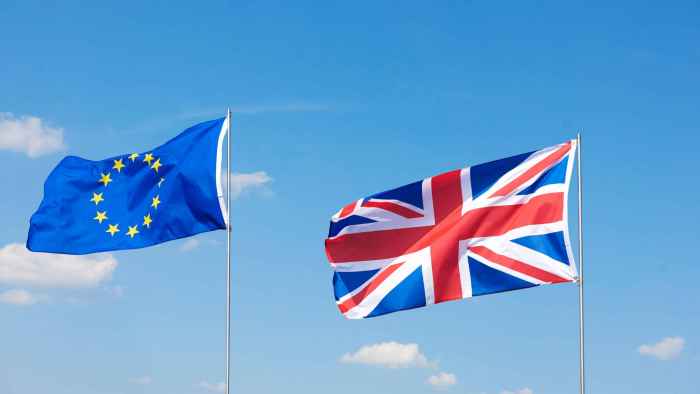
Private jet travel regulations between the UK and Europe have changed several times since Brexit, and two of the biggest changes have only taken full effect in 2026. This guide covers what actually changed, from charter permits and customs to the UK's new Electronic Travel Authorisation and the EU's new border checks, so you know what to expect before you fly.
What Brexit Changed for Private Jet Travel
Since 1 January 2021, the UK has operated outside the EU's single aviation market, and this changed what a UK registered or an EU registered charter aircraft is allowed to do. UK carriers lost the right to fly between two points inside the EU, for example a trip that picks up passengers in Frankfurt and drops them in Warsaw, and the same restriction applies in reverse to EU registered aircraft operating within the UK, according to UK in a Changing Europe's analysis of the Brexit aviation deal. This loss of cabotage rights does not affect a straightforward point to point charter between a UK airport and a European one, which is still permitted without restriction on frequency or capacity.
Ownership rules also tightened. Airlines and commercial operators on both sides must now be majority owned and controlled by nationals of the UK or the EU respectively, with some transitional exceptions for carriers that already held a valid licence before the end of 2020, as UK in a Changing Europe notes. For most charter clients this detail is invisible, but it is one reason some operators have restructured their corporate ownership since 2021.
Charter Permits: Why Your Operator Now Needs a UK TCO
The UK Civil Aviation Authority (CAA, the UK's aviation safety regulator) no longer accepts a European Union Aviation Safety Agency Third Country Operator certificate as grounds for a UK charter permit. A Third Country Operator certificate, or TCO, is the paperwork that lets an airline or charter operator based outside a given territory fly commercial flights into it.
In practice, this means any charter operator based outside the UK, including most EU based operators, now needs a separate UK TCO before it can legally fly a paying passenger into or out of a UK airport. Universal Weather and Aviation's guide for business aviation operators describes this as a non negotiable requirement, and notes that the UK CAA has been taking three to four weeks to process new applications. A reputable broker or operator will already hold this certificate or know how to secure one well in advance, and it is one of the questions worth asking before you book with an unfamiliar operator.
Customs, VAT and Documents for UK-Europe Private Jet Flights
A flight between the UK and anywhere in the EU is now an international flight for customs purposes rather than an internal EU movement, which means a customs declaration applies to the aircraft, crew and any goods on board, in the same way it would for a flight to any other non EU country. VAT treatment is unaffected by this change in the way that matters most to charter clients: VAT is applied to domestic flights within a single country, and is not charged on international flights, whether that flight crosses the UK-EU border or any other border.
Passports need to be valid for the length of your stay in the Schengen area, rather than the old EU rule of simply being valid on the day of travel, and UK nationals are limited to 90 days within any 180 day period across the Schengen area as a whole. Pet travel documents also changed after Brexit, with the EU pet passport no longer valid for UK-EU movements and an Animal Health Certificate required instead for most routes.
The UK's New Electronic Travel Authorisation and Private Jet Passengers
From 25 February 2026, the UK's Electronic Travel Authorisation scheme is fully enforced, meaning any passenger who does not need a visa to visit the UK, including most EU, US, Canadian, Japanese and Australian nationals, must hold an approved ETA before travelling, according to Universal Weather and Aviation's business aviation guide to the scheme. British and Irish citizens, and Irish residents travelling within the Common Travel Area, do not need one.
An ETA cost £16 (around €19) when enforcement began, but the fee rose to £20 (around €23) from 8 April 2026, according to GOV.UK's own ETA guidance. It is valid for two years or until the passport expires, and most applications are decided within three working days through the UK ETA app or the GOV.UK website, as Universal Weather and Aviation's guide explains. Operating crew flying into or out of the UK within seven days remain exempt under existing immigration rules, provided they can show proof of their crew status.
The practical effect for private jet travel is that the operator must check every passenger's ETA status through the Submit a General Aviation Report system before departure, and a flight can be refused permission to land if a passenger without a visa exemption does not hold a valid ETA. This is one more reason to confirm travel documents with your broker well before the day of the flight, particularly for a short notice trip arranged through Fast Private Jet's jet charter service.
The EU's Entry/Exit System and What It Means Arriving in Europe
The EU's Entry/Exit System, or EES, replaces manual passport stamping with a digital record of fingerprints and a facial image for non-EU nationals, including UK nationals, on their first crossing into the Schengen area. The system began a phased rollout on 12 October 2025 and became fully operational across all 29 participating countries on 10 April 2026, according to the European Commission's own announcement. Once registered, a traveller's biometric data is checked automatically on later visits rather than re-collected each time.
For business and private aviation specifically, the European Business Aviation Association advises that operators need their own EES carrier account, kept active and used consistently, since an account left inactive for over a year can be deactivated. Operators handling their own paperwork rather than outsourcing it are told to keep direct access to the EES portal and to confirm airport specific arrival procedures with the fixed base operator (FBO, the private aviation terminal at an airport) in advance.
The rollout has not been smooth. By July 2026, Euronews reported that border waits were reaching up to five hours at busy periods at some airports, prompting aviation bodies to ask the European Commission for a mechanism to suspend biometric checks temporarily when passenger volumes outstrip border capacity. Private jet passengers using a smaller FBO rather than a main commercial terminal have generally been less exposed to these queues, but first time registration still needs to happen somewhere, and leaving extra time on a first Schengen arrival is sensible.
Is ETIAS Coming Too?
A third system, the European Travel Information and Authorisation System or ETIAS, is a separate pre travel authorisation for visa exempt nationals, similar in concept to the UK's ETA or the United States' ESTA. Unlike the EES, which simply records a traveller's biometric data, ETIAS would require an approved application, costing €20 and valid for three years, before travel.
ETIAS has been repeatedly postponed. The House of Commons Library's research briefing, updated in August 2026, notes that the EU's own ETIAS page was revised in July 2026 to drop its earlier target of launching by the end of 2026, and now says only that a start date will be announced several months in advance. Press reporting since then has pointed to a launch sometime in 2027, though no official date has been confirmed. It is not yet a requirement for UK nationals flying to Europe, private or commercial, but it is worth checking the current status before a Schengen trip once it does take effect.
What This Means If You Are Booking a UK-Europe Charter Flight
This is a summary for general planning purposes and not legal or immigration advice. Requirements can change and depend on nationality, aircraft registration and route. Contact Fast Private Jet for current guidance on your specific flight.
None of this makes a UK-Europe private jet trip impossible or even especially complicated, but it does mean more paperwork sits behind the scenes than it did before 2021. A good broker or operator handles the TCO status, the EES carrier account and the passenger document checks as a matter of course, and the only thing a client usually needs to do is provide accurate passport details early and apply for an ETA, where required, before the day of travel.
If you are planning a trip between the UK and Europe and want to confirm exactly what applies to your route, aircraft and passport, the Fast Private Jet team can talk you through it as part of arranging your charter. For owners weighing where to register an aircraft in light of these rules, our sales and acquisition team can also advise on how registration jurisdiction affects which routes an aircraft can legally fly.
Sources
- Aviation and the Brexit deal - UK in a Changing Europe
- United Kingdom Third Country Operator Certificates (TCO) - Universal Weather and Aviation
- UK Electronic Travel Authorization: Business Aviation Guide - Universal Weather and Aviation
- The Entry/Exit System will become fully operational on 10 April 2026 - European Commission
- The European Union's Entry/Exit System (EES): Transforming Border Control - European Business Aviation Association
- EES at a 'critical point': Europe's aviation sector urges EU to show more flexibility - Euronews
- The EU Entry/Exit System and the EU Travel Information and Authorisation System - House of Commons Library
- Get an electronic travel authorisation (ETA) to visit the UK - GOV.UK
FAQ
Frequently asked questions.
Do private jet passengers need a UK ETA?
Yes, most passengers who do not already need a visa to visit the UK need an approved Electronic Travel Authorisation, fully enforced from 25 February 2026. British and Irish citizens, and operating crew on short turnarounds, are exempt. The ETA costs £20, raised from £16 in April 2026, and is checked by the operator before departure.
What is the EU Entry/Exit System and does it apply to private jet travellers?
The EES is a digital system that records fingerprints and a facial image for non-EU nationals, including UK citizens, on their first entry to the Schengen area. It applies to private jet passengers in the same way it applies to any other traveller, and it became fully operational across the EU on 10 April 2026.
Can a UK-registered private jet fly between two EU cities?
No. Since Brexit, UK carriers lost cabotage rights, meaning a UK registered aircraft cannot carry passengers on a flight that starts and ends inside the EU, such as Paris to Rome. A direct flight between a UK airport and an EU airport is unaffected and remains fully permitted.
Has Brexit made it more expensive to charter a private jet between the UK and Europe?
There is no VAT change for international flights between the UK and the EU, since VAT was never charged on international flights either before or after Brexit. The main added cost sits with operators, who may need a UK Third Country Operator certificate to fly into the UK, and this cost is not typically passed on as a separate line item to the charter client.
Is ETIAS required yet for UK travellers flying to Europe?
No, not as of 2026. ETIAS is a planned pre-travel authorisation for visa-exempt nationals, including UK citizens, but it has been repeatedly postponed. The EU dropped its original late-2026 target in July 2026, and most reporting now points to a 2027 launch, though no official date has been confirmed. It is separate from the EU's Entry/Exit System, which is already fully operational.