Blog
UK to Raise Air Passenger Duty on Almost All Private Jets
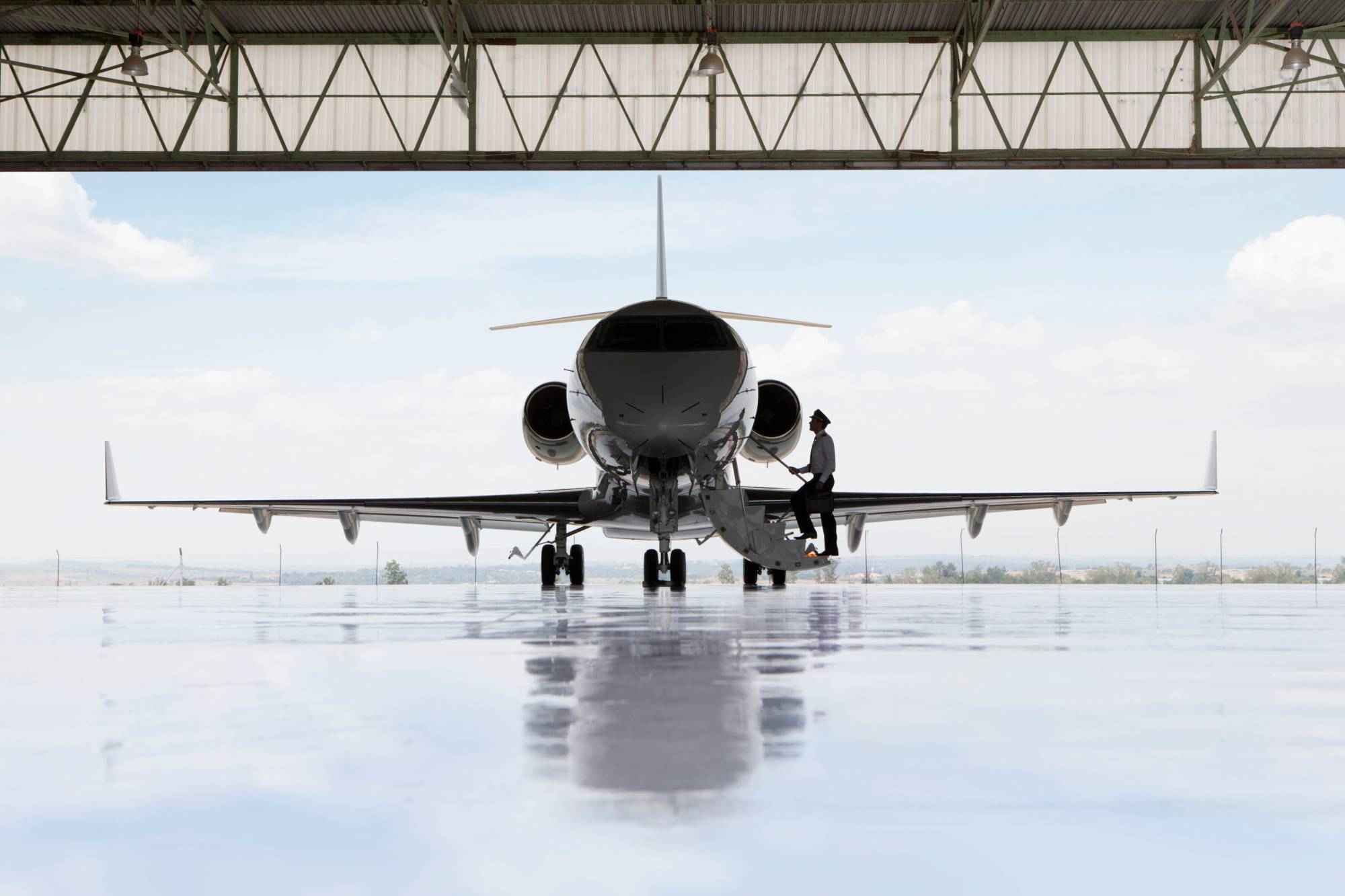
From April 2027, most private and business jet passengers departing the United Kingdom will pay a higher rate of Air Passenger Duty. The change closes a long standing gap that has kept light and midsize jets on a lower tax band, so the cost increase reaches far beyond the largest aircraft that already pay the higher rate. Here is what is changing, why the government is making the change, who it affects, and what to do before the new rate takes effect.
What is changing
HM Revenue and Customs is extending the higher rate of Air Passenger Duty to cover almost all private aircraft, according to gov.uk. Currently, only the largest private jets, those over 20 tonnes and configured for fewer than 19 seats, pay the higher rate. From 1 April 2027, HMRC will apply it to any private or business jet of 5.7 tonnes or more, covering almost the entire charter fleet, from light jets upward.
The change was first flagged at the Autumn Budget in 2024, then developed through a formal consultation that closed in January 2025, with the government's response published alongside the 2025 Budget. HMRC issued its technical implementation guidance in July 2026, confirming the rule takes effect through the Finance Bill 2026. The new 5.7 tonne threshold is not a new figure. It is the same weight limit that used to define the higher rate band before it was raised to 20 tonnes in 2013, so this change effectively reverses that earlier exemption rather than inventing a new rule from scratch.
Why the government is making the change
The government frames the change around fairness between operators of lighter and heavier private jets, and what it calls the polluter pays principle, pointing to the higher per passenger emissions of private flights compared with commercial ones. HMRC estimates around 600 aircraft operators will be affected, based on a private jet fleet of just over 500 UK registered aircraft, with an average of only 2.5 passengers per private flight. About 1,500 flights a year are expected to move into the higher tax band as a result.
Industry bodies have pushed back, warning that the change could reduce the UK's competitiveness against European rivals and prompt some operators to re-register aircraft abroad, with survey data suggesting many smaller operators already run on thin margins. Environmental campaigners have argued for steeper increases still, on the basis that demand for private flying from wealthy passengers is unlikely to fall much in response to a modest tax rise.
Who is affected, and who is not
For anyone chartering a UK registered or UK departing light or midsize jet, this is a real cost increase from spring 2027. In practice, only the smallest very light jets keep the lower rate: aircraft such as the Cirrus Vision Jet, Cessna Citation Mustang, HondaJet, and Embraer Phenom 100 stay under the new threshold. Anyone requesting a Citation CJ3 or a similar light jet, or anything larger, will fall into the higher tax band. Very light jets are treated differently partly because some of them already pay fuel duty on the piston or turboprop fuel they use, and partly because they make up a small share of the overall private fleet.
There is a related change worth noting for anyone travelling with children. The exemption that currently keeps young passengers out of Air Passenger Duty altogether will no longer apply on business jets, so family charters should expect the higher rate to apply per seat, not just per adult.
What this means for your budget
HMRC expects the change to raise about 10 million pounds a year. Corporate flight departments should factor the new rate into 2027 budgets now, and jet card members should check whether their quoted rates already include it. The rate is set by the departure date, not the booking date, so any flight leaving the UK on or after 1 April 2027 falls under the new rules, regardless of when it was booked. It is also worth remembering that Air Passenger Duty rises again each year regardless of this reform, so the higher rate itself will keep climbing on top of the extension.
Sources
- gov.uk: Air Passenger Duty, extension of the higher rate
- gov.uk: Reform of Air Passenger Duty for private jets, consultation response
- gov.uk: Air Passenger Duty rates, 1 April 2026 to 31 March 2027
FAQ
Frequently asked questions.
When does the new Air Passenger Duty rate take effect?
It applies to private and business jet flights departing the UK from 1 April 2027 onwards, under the Finance Bill 2026.
Which jets are affected by the higher rate?
Any private or business jet of 5.7 tonnes or more. That covers almost the entire charter fleet, including light and midsize jets that currently pay the lower rate, and affects an estimated 600 operators.
Which jets stay on the lower rate?
Only the smallest very light jets, such as the Cirrus Vision Jet, Cessna Citation Mustang, HondaJet, and Embraer Phenom 100, stay under the new 5.7 tonne threshold.
Does the new rate apply if I booked my flight before April 2027?
Yes. The rate depends on the departure date, not the booking date, so flights departing on or after 1 April 2027 are charged at the new rate regardless of when they were booked.
Why is the government making this change now?
The government describes it as a fairness and polluter pays measure, aligning the tax treatment of lighter private jets with heavier ones that already pay the higher rate, and expects it to raise about 10 million pounds a year.
Does the exemption for children still apply?
No. The current exemption that keeps young passengers out of Air Passenger Duty will no longer apply to business jets, so family charters should expect the higher rate to apply per seat.
How much extra will I pay?
That depends on the aircraft and the distance flown, since Air Passenger Duty is charged per passenger across different distance bands, and those bands themselves rise each year. Ask your operator or jet card provider to confirm whether their quoted rates already reflect the new rate.