Blog
EASA Tells Operators to Avoid Parts of Saudi Arabia's Airspace
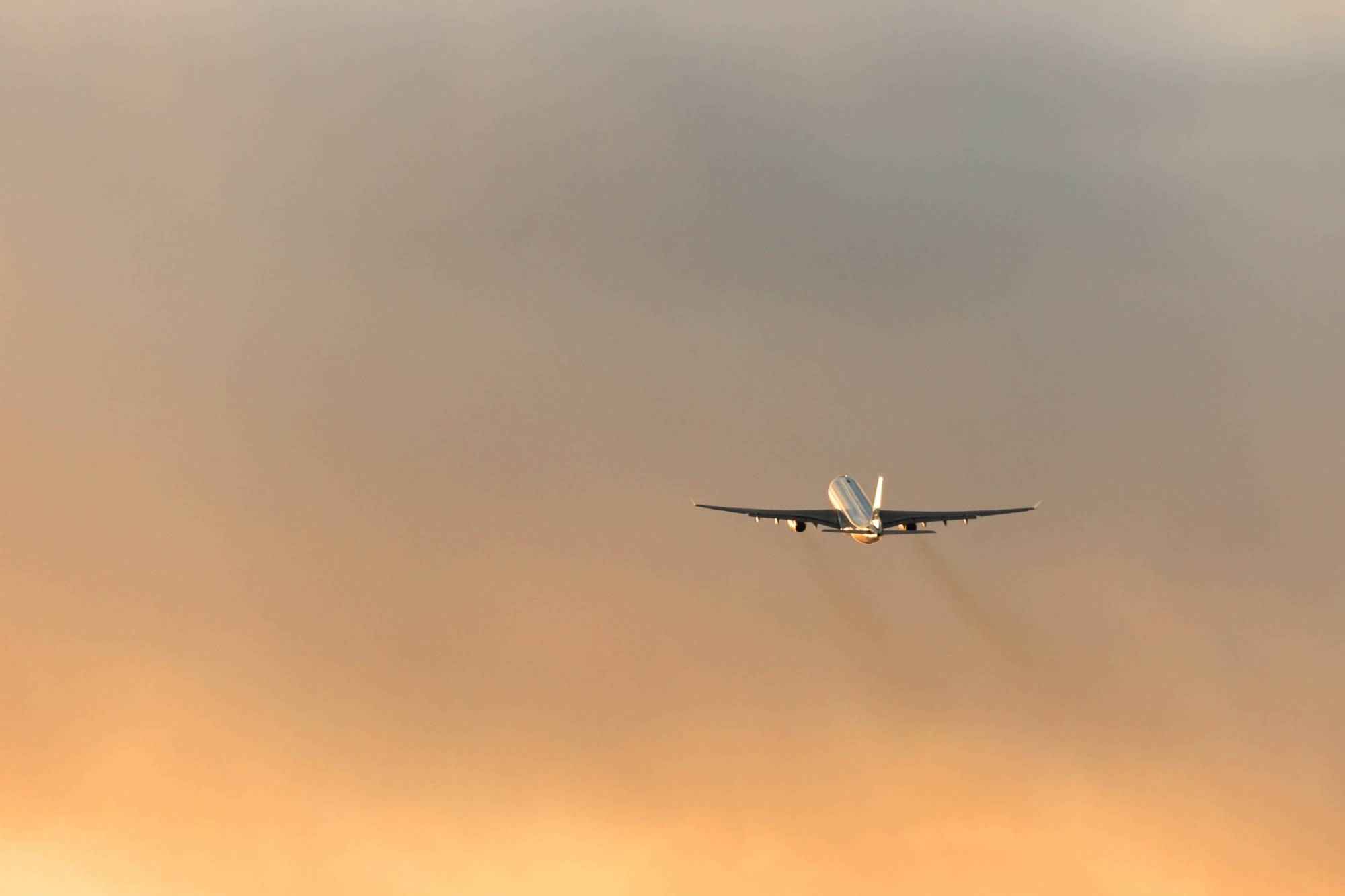
Europe's aviation safety regulator has warned operators to steer clear of part of Saudi Arabia's airspace, after a sharp rise in Houthi missile and drone attacks on the country. The warning, issued on 30 September 2026, advises against flying at any altitude within a defined zone of Saudi airspace and calls for caution across the rest of it, so private jets flying between Europe and the Gulf, East Africa or South Asia may now need longer, more expensive routes. If you are chartering a flight through this part of the world, it is worth checking with your operator whether your route is affected before you fly.
What EASA actually announced on 30 September 2026
EASA (the EU's aviation safety regulator, equivalent to the FAA in the United States) published a new Conflict Zone Information Bulletin, known as a CZIB, on 30 September 2026. A CZIB is a formal warning to European airlines and private operators about flying over a specific part of the world, and this one is numbered CZIB-2026-09, according to EASA's own published notice.
The bulletin covers the Jeddah Flight Information Region, which is the single block of airspace covering almost the whole of Saudi Arabia, including the areas around Jeddah, Riyadh and Dammam, EASA states. Within a defined zone of that region, EASA recommends that operators do not fly at any altitude or flight level, meaning there is no safe height band to use there, and in the rest of the region it asks them to exercise caution, the regulator notes.
The bulletin is due to remain in place until 16 November 2026 unless it is reviewed earlier, according to EASA, and the regulator has said it will continue to monitor the situation, Middle East Eye reports. It applies to operators covered by the EU's air operations rules (Regulation (EU) 965/2012), and to non-EU operators holding an EASA third-country operator authorisation when they fly to, from or within the EU, per the regulator's bulletin. EASA revised the bulletin on 9 October 2026 to reflect a change in the risk area, and the updated text also warns of increasing risks to aircraft on the ground and during take-off and landing in the affected areas, according to the revised bulletin.
Why Saudi Arabia's airspace has become a flashpoint
The warning follows a rise in attacks by Yemen's Houthi movement, which significantly increased missile and drone strikes on Saudi Arabia in September 2026, EASA says in the bulletin. Targets have included maritime and energy infrastructure, including in the Red Sea and the Gulf of Aden, as well as military and aviation sites across the country, the regulator notes.
EASA links the escalation to the wider military conflict between the United States and Iran, which it says has made the security situation in the region more volatile, Xinhua reports. The regulator's specific concerns for civilian aircraft include being mistaken for a military target, being struck by a missile or drone that is not aimed at them, interception by military aircraft, and falling debris from intercepted weapons, according to the official bulletin.
EASA replaced its earlier region-wide Middle East and Persian Gulf bulletin in July 2026 with country-specific advisories, the regulator announced. This Saudi warning now sits alongside separate EASA bulletins for Iran, Iraq, Lebanon, Jordan and the airspace of the Persian Gulf and Gulf of Oman, all reviewed on 30 September 2026, Avi-Go reports, while Israel's airspace is covered by an EASA information note, according to EASA's current list of active advisories.
How this could affect private jet routes to the Gulf, Asia and East Africa
Saudi Arabia sits beneath many of the most direct flight paths between major European business aviation hubs and destinations such as Dubai, Doha, the Maldives and parts of South Asia. With part of the Jeddah Flight Information Region now covered by this warning at every altitude, and caution advised across the rest, EASA-regulated operators flying those routes are likely to plan around the affected zone rather than through it.
EASA's bulletin asks operators to keep an up-to-date risk assessment and contingency planning, and to be ready for short-notice instructions from state authorities, the regulator notes. Routing around the affected zone can mean extra flight time and higher fuel burn. Charter flights heading toward East Africa or onward into the Indian subcontinent can also cross parts of the affected region, so any route through this part of the world is worth checking in advance with your jet charter team.
The warning does not close Saudi Arabia's airports or ban landings there outright. It does mean operators are expected to follow the aeronautical publications issued by Saudi Arabia and neighbouring states, and to be ready for short-notice instructions from state authorities, as EASA's bulletin advises.
What does this mean for your next flight?
If your flight does not go anywhere near Saudi Arabia, the Red Sea or the wider Gulf, nothing changes because of this warning.
If you are flying privately between Europe and destinations such as Dubai, Doha, Jeddah, Riyadh, or further on into Asia or East Africa, your operator's flight planning team is likely to route around the affected zone of Saudi airspace rather than through it, which can add both flight time and fuel cost.
Your charter broker or operator should already be building this into their route planning and any quote they give you, so it is worth asking directly whether your planned itinerary is affected.
Landing in Saudi Arabia itself is not banned by this warning, but your operator is expected to follow official Saudi aeronautical publications and be ready for short-notice instructions from the authorities.
Nothing about this warning changes passport, visa or border requirements; it is purely a flight safety and routing matter.
Sources
- EASA: CZIB-2026-09: Airspace of Saudi Arabia
- EASA: Conflict Zone Status: Active Bulletins
- Xinhua: EASA warns airlines to avoid parts of Saudi airspace amid regional escalation
- Middle East Eye: EU aviation agency issues Saudi airspace advisory after Houthi attacks
- EASA: CZIB-2026-09R1: Airspace of Saudi Arabia (revised 9 October 2026)
- EASA: Revised conflict zone advisories for Middle East
- Avi-Go: EASA extends Iran airspace avoidance bulletin to 16 November 2026, issues new Saudi Arabia warning
FAQ
Frequently asked questions.
What is a Conflict Zone Information Bulletin?
It is a formal safety notice issued by EASA, the EU's aviation safety regulator, warning operators about flying over a specific area of the world. It is advisory rather than a legal ban, but European and EASA-regulated operators are expected to factor it into their flight planning and risk assessments.
Does this mean flights to Saudi Arabia have stopped?
No. The warning does not ground flights or close Saudi Arabia's airports. It advises operators not to fly at any altitude within a defined zone of the Jeddah Flight Information Region and to exercise caution in the rest of it.
Will my private jet flight to Dubai or Doha be affected?
It depends on your exact route. Many flights between Europe and the Gulf use Saudi airspace for the most direct path, so if that applies to your journey, your operator is likely to use a longer routing around the affected zone while this bulletin remains active.
How long will this warning stay in place?
EASA's bulletin is due to run until 16 November 2026 unless it is reviewed earlier, and the regulator already revised it once, on 9 October 2026.
Why has EASA issued a new warning specifically for Saudi Arabia now?
EASA points to a significant increase in Houthi missile and drone attacks on Saudi Arabia in September 2026, which it links to the wider military conflict between the United States and Iran making the region more volatile.