Blog
Very Light Jets vs Light Jets: What Is the Real Difference?
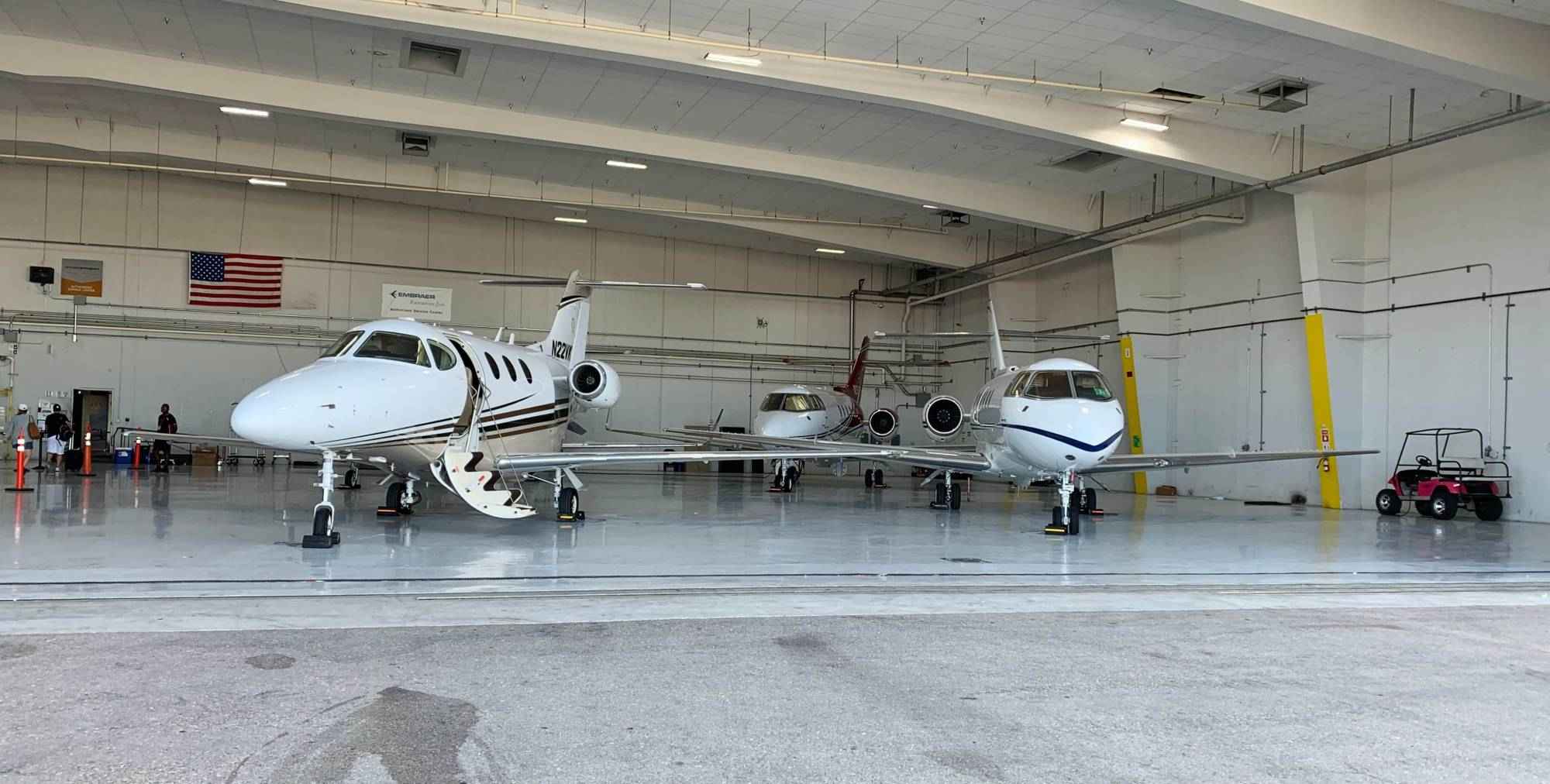
Very light jets vs light jets is one of the first decisions many travellers face once they choose to charter rather than fly commercial. The two categories look similar on paper but differ in passenger capacity, range, cabin space and hourly cost. This guide compares them directly, with named aircraft and their published specifications, so you can match the right size jet to your trip.
What Is a Very Light Jet?
A very light jet, often shortened to VLJ, is described by the National Business Aviation Association, in its VLJ training guidelines, as a jet aircraft weighing 10,000 pounds (about 4,540 kg) or less and certificated for single-pilot operations.
Two well-known examples of the category are the Cessna Citation Mustang, which typically seats 4 passengers and has a range of 718 nautical miles (about 1,330 km), and the Embraer Phenom 100, which seats 5 to 6 passengers over 915 nautical miles (about 1,695 km).
The Phenom 100's maximum take-off weight is 10,472 pounds, slightly above the 10,000-pound figure used by the NBAA. In the charter market it is nonetheless commonly grouped with the Mustang as an entry-level jet.
What Is a Light Jet?
Light jets sit directly above very light jets. The three light jets in this guide are all heavier, faster and longer-ranged than the two VLJ examples. Two of them, the Citation CJ3 and the Phenom 300, are certified for single-pilot operation, while the Learjet 75 requires two pilots.
Three aircraft represent this category. The Cessna Citation CJ3 typically seats 6 passengers over a maximum range of 1,374 nautical miles (about 2,545 km).
The Embraer Phenom 300, named the world's best-selling light jet for the 14th consecutive year in General Aviation Manufacturers Association (GAMA) data published by Embraer in February 2026, typically seats 7 passengers and reaches 1,811 nautical miles (about 3,354 km).
The Bombardier Learjet 75 typically seats 8 passengers and has a range of 1,805 nautical miles (about 3,343 km).
All three fly considerably further without stopping and offer more cabin space than either very light jet in this guide, typically seating 6 to 8 passengers.
Very Light Jets vs Light Jets: At a Glance
Specifications refer to the original production variants as listed by Business Jet Traveler; newer variants of some models have different figures. Charter prices vary with availability, season and positioning. Contact Fast Private Jet for a live quote.
Key Differences That Actually Matter for Your Trip
Passenger Capacity
Very light jets typically carry 4 to 6 passengers, while light jets typically carry 6 to 8. That two-seat gap can decide whether a small group has to split across two aircraft or fly together on one.
Cabin Space
Cabin volume ranges from 163 to 212 cubic feet on the two very light jets in this guide, against 286 to 415 cubic feet on the three light jets: the Learjet 75 has more than two and a half times the cabin volume of the Citation Mustang.
Range and Non-Stop Reach
The light jets in this guide fly considerably further without stopping, with ranges of 1,374 to 1,811 nautical miles compared with 718 to 915 nautical miles for the very light jets. That can be the difference between a single non-stop hop across Europe and a fuel stop partway through the trip.
Cost Per Flight Hour
Published hourly rate ranges vary widely between sources and change with availability, season and aircraft positioning. On longer routes, a light jet's extra speed and range may avoid a fuel stop, so the fairest comparison is the total quoted price for the specific trip.
Which One Should You Choose?
A very light jet suits a short flight, typically under 2 hours, for 1 to 4 passengers who are travelling light. It is a cost-efficient way to charter a private jet for a quick business trip or a weekend away, although it isn't built for long-haul comfort or a full cabin of passengers.
A light jet makes more sense for 5 to 8 passengers, for flights over 2 hours, or whenever checked luggage, golf clubs, or ski equipment are involved. It is also the better choice when a group of up to eight needs to travel together on one aircraft rather than splitting across two very light jets.
If a trip sits right on the edge of both categories, for example 4 passengers flying just over 2 hours, the honest answer is to compare both options on the same route and dates, including whether either aircraft would need a fuel stop.
Sources
- VLJ Training Guidelines - National Business Aviation Association
- Cessna Citation Mustang - Business Jet Traveler
- Embraer Phenom 100 - Business Jet Traveler
- Cessna Citation CJ3 - Business Jet Traveler
- Embraer Phenom 300 - Business Jet Traveler
- Bombardier Learjet 75 - Business Jet Traveler
- Cessna's Citation CJ3 FAA-Certified - AVweb
- Aircraft Overview: Phenom 300E - Aviation Week
- Embraer Phenom 300 series is best-selling light jet for 14th consecutive year - Aerospace Manufacturing and Design
- Skies now are bluer for Europe's light jet survivors - AIN
FAQ
Frequently asked questions.
What is considered a very light jet?
According to the National Business Aviation Association's VLJ training guidelines, a very light jet is a jet aircraft weighing 10,000 pounds or less and certificated for single-pilot operations. In practice the category is associated with small aircraft such as the Cessna Citation Mustang and the Embraer Phenom 100, which typically seat 4 to 6 passengers.
How many passengers can a light jet carry?
The light jets in this guide typically seat 6 to 8 passengers. The Cessna Citation CJ3 typically seats 6, the Embraer Phenom 300 seats 7, and the Bombardier Learjet 75 seats 8.
Is a light jet more expensive to charter than a very light jet?
Published hourly price figures vary widely between sources, so there is no single answer. Because a light jet may avoid a fuel stop on longer routes, the fairest comparison is the total quoted price for your specific trip.
Can a very light jet fly long distances?
Very light jets are built for shorter flights: the two examples in this guide have ranges of 718 and 915 nautical miles. For longer routes, a light jet or a larger category can avoid the refuelling stop a very light jet may need.
What is the cabin like on a very light jet compared to a light jet?
Cabin volume ranges from 163 to 212 cubic feet on the two very light jets in this guide, against 286 to 415 cubic feet on the three light jets.