Blog
Why European Airlines Are Cutting Winter Flights This Year
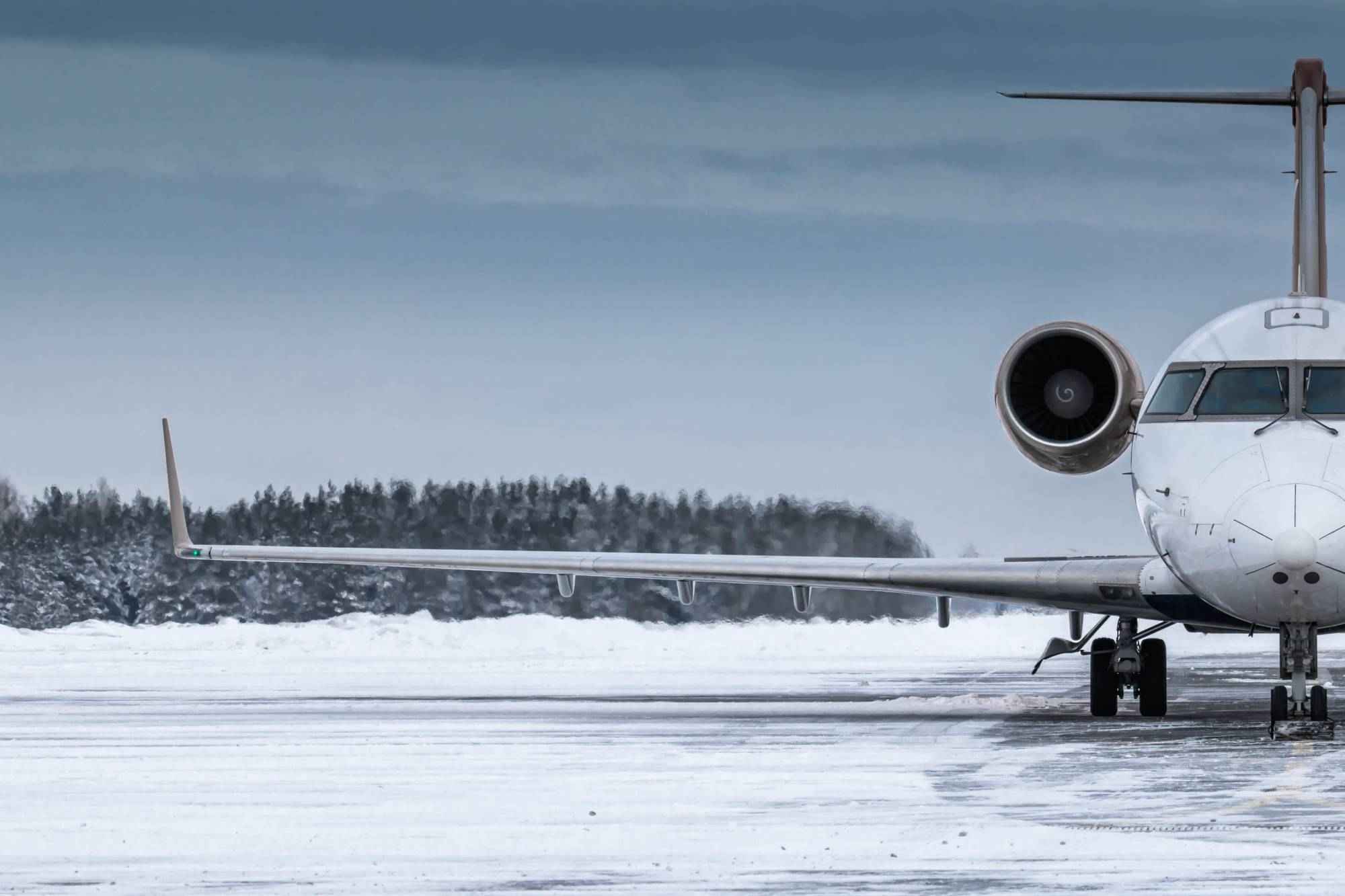
Ryanair and Aer Lingus have cut winter flights, and the Latvian airline airBaltic has gone further still, filing for bankruptcy protection on 14 September 2026. The common thread is fuel: a conflict involving Iran that began on 28 February 2026 has pushed jet fuel prices to roughly double what they were in February, and airlines across Europe are responding by flying less. If you charter privately, the fuel price itself is not the main concern. The bigger risk is that scheduled seats on the routes you normally rely on may be thinner, less reliable, or gone altogether this winter, which is why booking your jet further ahead than usual is the safer approach this season.
What's Actually Changing This Winter
Airlines trim their schedules every winter as travel demand drops after the summer peak, that part is routine and happens every year regardless of fuel prices. What has happened this year goes further than that normal adjustment, and Ryanair has said so in its own words.
Ryanair is cutting its full-year traffic target by 2 million passengers, with the reductions concentrated in the November to March winter period. The airline called the move a "one-off winter schedule cut," saying it is "sensible to strategically reduce the group's exposure to unhedged jet fuel during the unprofitable winter schedule," Travel Extra reports. Ryanair expects the cut to reduce its winter losses by €70 to €100 million, according to the Irish Times.
Aer Lingus is discontinuing three routes from Dublin this winter: Denver (ending 28 September 2026), Minneapolis-St Paul (ending 24 October 2026) and Las Vegas (ending 3 December 2026), with Seattle switching to summer-only service. Travel Extra reports the cuts are part of a wider 6% capacity reduction, announced after Aer Lingus posted a €103 million loss in the first quarter of 2026, Travel Extra reports.
Air China has also trimmed several routes into Europe for parts of the winter, cutting Beijing to Milan from seven to five weekly flights between late October and the end of December, and Shanghai to Barcelona from daily to four times a week in December, per Travel Extra. Air China attributed its changes to demand patterns and operational factors rather than fuel costs.
Why Jet Fuel Got So Expensive, So Fast
The trouble began when hostilities involving Iran disrupted shipping through the Strait of Hormuz, the narrow waterway between Iran and Oman that roughly a quarter of the world's seaborne oil passes through. By late April, Brent crude oil was hovering around $124 a barrel (roughly €110), up from just under $110 (roughly €98) a week earlier, according to Aviation International News (AIN).
Jet fuel, which is refined from crude oil, rose even faster than crude itself. Oxford Economics, an independent economic research firm, confirms that jet fuel prices "rapidly doubled in the span of weeks" after the Strait of Hormuz was closed, as Oxford Economics notes.
Airlines that had not locked in fuel prices in advance, a practice called hedging, were hit hardest. Ryanair had hedged about 80% of its needs at $67 a barrel (around €60), according to the Irish Times, while jet fuel in Europe reached $192 a barrel (around €172), the highest of any region, in mid-September 2026, according to the Oman Observer.
When Cost Cutting Tips Into Bankruptcy
For airBaltic, 89% owned by the Latvian government with Lufthansa Group holding a 10% stake, cost cutting was not enough. The airline filed for Chapter 11 bankruptcy protection in a New York court on 14 September 2026, according to Aviation Week. Skift reports that the filing followed higher fuel costs, weak liquidity, the lingering effects of the pandemic and a €70 million net loss in the first quarter of the year. Chapter 11 is a US legal process that lets a company keep operating while it reorganises its debts under court supervision, and airBaltic has said flights are continuing as normal throughout. The airline secured a commitment for €350 million in new financing, with the process expected to run until around June 2027.
Ryanair's chief executive, Michael O'Leary, had already predicted trouble for airBaltic specifically. In an interview with the Italian newspaper Il Sole 24 Ore, reported on 27 April 2026, he said that if oil prices stayed high, "two or three European airlines in October or November could go bankrupt like Wizz Air...and airBaltic," Euronews reports. Wizz Air called the comments "flatly untrue and false" and pointed to its strong balance sheet and substantial liquidity. It is worth noting O'Leary has made similar claims about Wizz Air since 2019 without them coming to pass, so his comments are best read as a rival's warning rather than a confirmed fact. airBaltic's bankruptcy filing, unlike the Wizz Air prediction, is a matter of public record.
How Different Airlines Are Responding
The table below summarises the main changes announced so far this autumn.
Why Charter Clients Are Booking Further Ahead This Winter
With scheduled seats disappearing on some routes and at least one carrier in formal bankruptcy proceedings, organisations that would normally rely entirely on commercial airlines, corporate delegations, sports teams and family offices among them, are increasingly turning to private charter, a charter operator executive told the American Journal of Transportation (AJOT) in June 2026. The same interview describes a shift in behaviour: earlier in 2026, demand was driven by last-minute bookings when commercial flights fell through, whereas clients have since started planning ahead and looking for longer-term arrangements.
That matches what we are seeing at Fast Private Jet [VERIFY WITH TEAM BEFORE PUBLISHING]. When a route you normally fly is cut or an airline's schedule becomes unreliable, the aircraft and slots you want are not guaranteed to be available if you wait until the week of travel. Booking your jet charter several weeks ahead, rather than days, gives you a far better chance of securing your preferred aircraft and timing this winter. For corporate teams or delegations that would normally split across commercial flights, a group charter booked early can also remove the uncertainty of connecting through hubs where capacity is being cut.
What Does This Mean for Your Next Flight?
If you hold a booking on Ryanair, Aer Lingus or airBaltic this winter, your flight is not automatically at risk. All three airlines say they are continuing to operate, and airBaltic has confirmed its Chapter 11 process does not affect ticketed passengers. What has changed is the overall number of seats available on certain routes, so a cancelled connection or a fully booked alternative is more likely than in a typical winter.
For private charter, the more noticeable change is availability rather than price, although charter operators face the same higher fuel costs as airlines. Peak winter dates and popular routes are likely to book out faster than usual as more organisations plan ahead rather than booking last minute. If you already know you will need to fly between now and March 2027, confirming your dates sooner rather than later is the most useful step you can take.
Sources
- Irish Times
- Travel Extra: Ryanair statement on winter capacity cut
- Travel Extra: Aer Lingus winter cuts
- Travel Extra: Air China Europe cuts
- Aviation Week
- Skift
- Aviation International News (AIN)
- Oxford Economics
- Oman Observer
- Euronews
- American Journal of Transportation (AJOT)
FAQ
Frequently asked questions.
Why are European airlines cutting flights this winter?
A conflict involving Iran that began on 28 February 2026 disrupted oil shipping through the Strait of Hormuz, roughly doubling jet fuel prices. Airlines do trim schedules every winter as demand drops, but this round of cuts goes beyond that routine adjustment. Ryanair has called its own reduction a "one-off winter schedule cut" made to reduce its exposure to unhedged jet fuel during the unprofitable winter months, rather than part of its usual seasonal planning.
Is my booked commercial flight at risk of being cancelled?
Not automatically. Ryanair, Aer Lingus and airBaltic have all said they continue to operate as normal. The change is that fewer seats are available overall on some routes, so a cancelled connection is more likely to leave you with limited alternatives than in a typical winter.
Did a European airline actually go bankrupt over this?
Yes. airBaltic, Latvia's flag carrier, filed for Chapter 11 bankruptcy protection in a US court on 14 September 2026, citing elevated fuel costs among other financial pressures. The airline says it continues to operate flights as normal during the process.
Will chartering a private jet cost more this winter?
Charter operators face the same higher fuel costs as airlines, so pricing varies by operator and route. The more immediate effect is on availability: popular routes and peak winter dates are likely to book out faster than usual as more travellers plan further ahead.
How far in advance should I book my private jet this winter?
Several weeks ahead rather than days, especially for peak dates or routes affected by the airline cuts described above. With more organisations shifting from last-minute bookings to advance planning this winter, confirming your dates early gives you the best chance of securing your preferred aircraft.