Blog
7 Things to Know Before Booking a Private Jet Charter
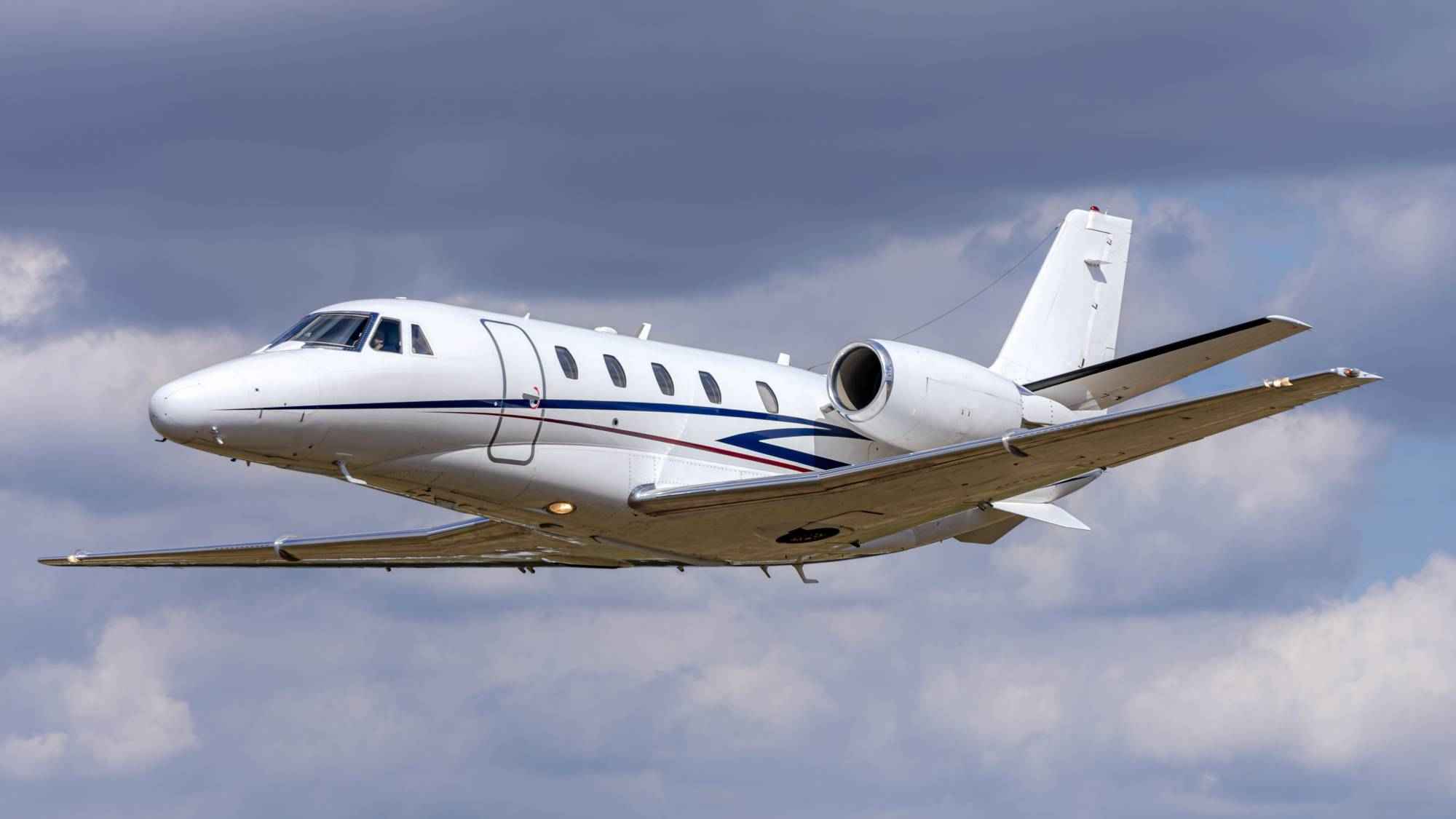
Chartering a private jet for the first time involves more decisions than simply picking a departure time. Here are 7 things to know before booking a private jet charter, from how pricing actually works to the documents you will need at the airport. This guide gives you the straight answers, not a sales pitch.
Things to Know Before Booking a Private Jet Charter
1. How Private Jet Pricing Actually Works
Private jet charter is priced by aircraft category and flight hour, not by seat. A Very Light Jet typically costs €2,500 to €3,500 per hour, a Midsize Jet €5,000 to €7,500 per hour, and an Ultra Long Range Jet €12,000 to €18,000 per hour, with the final price shaped by aircraft positioning, routing, and the time of year. The headline hourly rate is also only part of the total. Business Jet Traveler notes that landing and handling fees, catering, and overnight crew costs are frequently billed on top, which is one of the most common surprises for new charter clients. Positioning costs, the fee for flying an empty aircraft to your departure airport, can also change the price significantly depending on where the nearest available jet happens to be. Ask for a full breakdown, not just an hourly rate, before you compare quotes, and ask whether an empty leg is available on your route before booking a one-way charter at full price.
2. Check the Operator's Safety Certifications
Every commercial charter operator must hold an Air Operator's Certificate, but that is the minimum standard, not the one to look for. Third-party auditors such as ARGUS, Wyvern, and IS-BAO go further, reviewing an operator's safety management system, pilot training records, and maintenance history in detail. Aviation International News has reported that IS-BAO in particular is recognised as a safety benchmark across European business aviation, alongside the oversight frameworks tracked by EBAA. Ask your broker or operator for their current certification status before you book, not after.
3. Match the Aircraft Category to Your Actual Trip
The right aircraft depends on passenger count, luggage, and distance, not just budget. A Very Light Jet suits 2 to 4 passengers on a short hop, while a Midsize or Super Midsize Jet gives a full cabin and enough range for a longer trip with 6 to 9 passengers on board, and an Ultra Long Range Jet is built for 10 or more passengers flying non-stop across an ocean. Older aircraft can also lack modern cabin amenities such as WiFi and have limited baggage space, sometimes only enough for four or five suitcases in total, so ask about the aircraft's age and configuration as well as its category before you commit to one.
4. Know What Is Included in the Quote, and What Is Not
A charter quote usually covers the aircraft, fuel, and standard catering, but landing and handling fees, de-icing, and crew overnight costs are often billed separately. Corporate Jet Investor reports that de-icing alone can add up to £2,000 (about €2,300) to a European winter charter, and that dedicated lounge access at some airports carries its own fee on top of the aircraft rate. Ask for a full breakdown before you sign, rather than a single all-in figure that turns out not to be.
5. Read the Cancellation and Weather Policy Before You Book
Charter contracts have tightened since the pandemic, and cancellation windows of 3 to 5 days before departure are now common, rather than the 48 hours many first-time flyers expect. Business Jet Traveler notes that many contracts place no obligation on the operator to provide a replacement aircraft if theirs is unable to fly, so ask specifically how weather and mechanical delays are handled. Confirm that refunds are paid in cash rather than offered only as flight credit.
6. Have the Right Documents Ready for International Travel
For an international charter you will need a valid passport for every passenger, and the operator will usually request passport details in advance so they can be filed with customs and border authorities before departure. Domestic flights within the Schengen area sometimes only require photo identification, but rules vary by country and aircraft weight, so confirm requirements for your specific route. Corporate Jet Investor notes that security screening also depends on the aircraft's weight, with heavier jets typically subject to the same screening as commercial flights, while lighter aircraft can bypass it entirely. Your operator will normally handle the general declaration and advance passenger information filings with customs on your behalf, but they can only do this accurately if you provide full passport details well ahead of departure.
7. Know What to Expect at the FBO Before Departure
Most charter flights depart from an FBO (Fixed Base Operator, the private terminal at an airport used for private and business aviation) rather than a commercial terminal. Check-in typically means arriving 15 to 30 minutes before departure rather than the two hours commercial flights require, and security screening, when it applies, happens in a private lounge rather than a shared queue. Business Jet Traveler notes that most FBOs also arrange ground transport directly to the aircraft, so ask in advance whether a car service to and from the airport is included in your quote or billed separately.
Why These Details Matter More Than the Headline Price
None of this is complicated once you know what to check, but skipping it is how first-time charterers end up with a quote that grows after they have signed, or a cancellation policy that surprises them at the worst possible moment.
Frequent flyers tend to learn these details the hard way, on their second or third charter rather than their first. Asking about safety certifications, contract terms, and what is included in the quote before you book puts a first-time flyer on the same footing as someone who charters every month.
A charter team that works through these questions with you before booking, rather than after, is doing the job properly.
Sources
- How to Charter a Private Jet - Corporate Jet Investor
- Charter: What You Need To Know in 2026 - Business Jet Traveler
- IS-BAO Recognized as European Safety Standard - Aviation International News
- About Business Aviation - European Business Aviation Association
FAQ
Frequently asked questions.
How far in advance should I book a private jet charter?
Many operators can accommodate a charter with just a few days' notice, and some last-minute bookings are arranged within hours depending on aircraft availability. Peak periods such as Christmas, New Year, and major sporting or cultural events often need a month or more of advance notice, and some destinations require their own advance filing periods for permits.
Do I need a passport for a private jet flight in Europe?
Yes, for any international charter you will need a valid passport, and the operator typically requests passenger details in advance to file with customs and border authorities. Flights within the Schengen area sometimes only require photo identification, but this varies by country, so it is worth confirming for your specific route.
What is an FBO and why does it matter for private jet travel?
An FBO, or Fixed Base Operator, is the private terminal at an airport used for private and business aviation flights. It offers dedicated check-in, private lounges, and ground transport, and lets passengers arrive shortly before departure instead of the hours needed at a commercial terminal.
What safety certifications should a private jet operator have?
Look beyond the minimum Air Operator's Certificate for third-party safety audits from ARGUS, Wyvern, or IS-BAO, all of which review an operator's safety management system, pilot training, and maintenance records. IS-BAO in particular is recognised as a safety benchmark across European business aviation.
Can I cancel a private jet charter without paying a fee?
It depends on the contract, and cancellation windows have generally lengthened since the pandemic, often to 3 to 5 days before departure rather than 48 hours. Always confirm the cancellation policy, and whether refunds are paid in cash or only offered as flight credit, before you sign.
How early should I arrive for a private jet flight?
Most passengers arrive at the FBO 15 to 30 minutes before departure, compared with the one to two hours recommended for commercial flights. Security screening, when required, is usually completed in the private lounge rather than a shared queue, which is what makes the shorter arrival window possible.